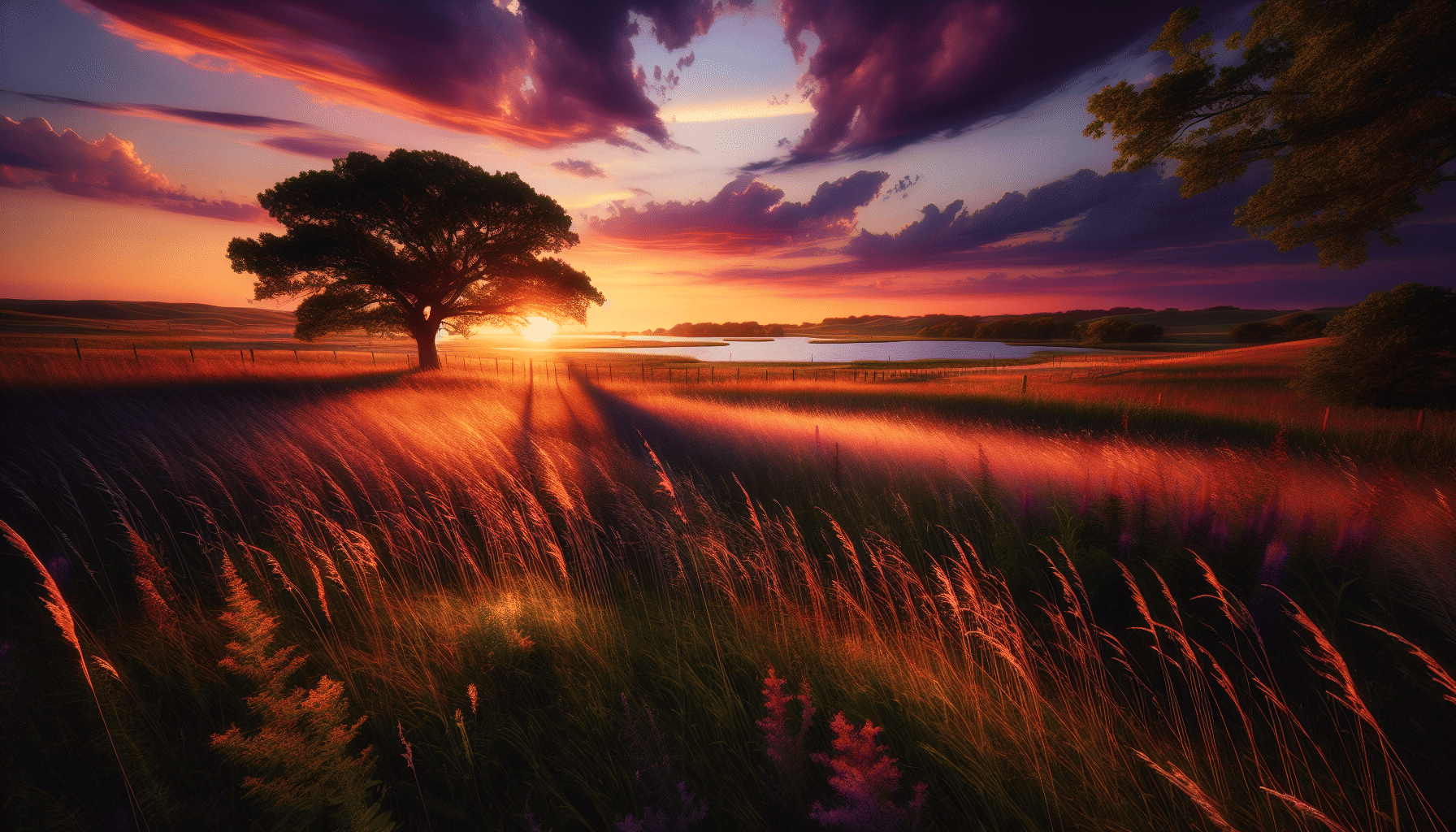
In the world of capturing images, one often overlooked yet essential element is light. It can transform a simple image into a stunning masterpiece, bringing out emotions and vibrancy that might otherwise remain hidden. Understanding how to utilize light effectively can elevate your captures from ordinary to extraordinary.
Understanding the Basics of Light
Before diving into techniques, it's important to grasp the different qualities of light. Natural light, often considered the most flattering, changes throughout the day. The early morning and late afternoon provide a soft, warm glow, known as the 'golden hour,' which is ideal for adding warmth to scenes. In contrast, midday sun offers a harsher, more direct illumination that can create strong shadows.
Artificial light, on the other hand, offers control and consistency. From soft studio lights to cool LED panels, each type can evoke different moods. Learning to use both natural and artificial sources can give you the flexibility to shoot in any condition.
Manipulating Light for Mood
One of the most powerful ways to enhance the mood of an image is through lighting. Soft, diffused light tends to create a calm and serene atmosphere, making it perfect for portraits and reflective compositions. You can achieve this by placing a diffuser between the light source and your subject.
For a more dramatic effect, consider using sidelighting. This technique involves positioning your light source to the side of the subject, creating deep shadows and highlights that can add depth and intrigue. This method works well with black and white images, emphasizing contrasts.
Adding Dimension with Shadows
Shadows are not just about darkness; they can add significant depth and texture. When positioned correctly, shadows can emphasize patterns, contours, and shapes, adding a three-dimensional feel to your images. Playing with shadows can also lead to creative compositions that highlight only portions of your subject, adding an element of mystery.
Playing with Reflections
Reflections are another intriguing way to manipulate light. Whether you're capturing a landscape mirrored in a lake or a model reflected in a window pane, reflections can double the impact of an image while adding symmetry and balance. Using reflective surfaces creatively can result in captivating images that challenge the viewer’s perception.
Experimenting with Color Temperature
The color of light, measured in Kelvin, can greatly affect the mood of your image. Warmer tones (lower Kelvin values) can impart a cozy, inviting feel, while cooler tones (higher Kelvin values) can convey calmness and detachment. Experimenting with different light temperatures can help you communicate the desired emotion through your images.
Conclusion
Incorporating effective lighting techniques requires patience and practice, but the results are well worth the effort. By understanding and manipulating light with intention, you can craft images that are not only visually appealing but also emotionally resonant. Embrace the transformative power of light, and watch your creations come to life.