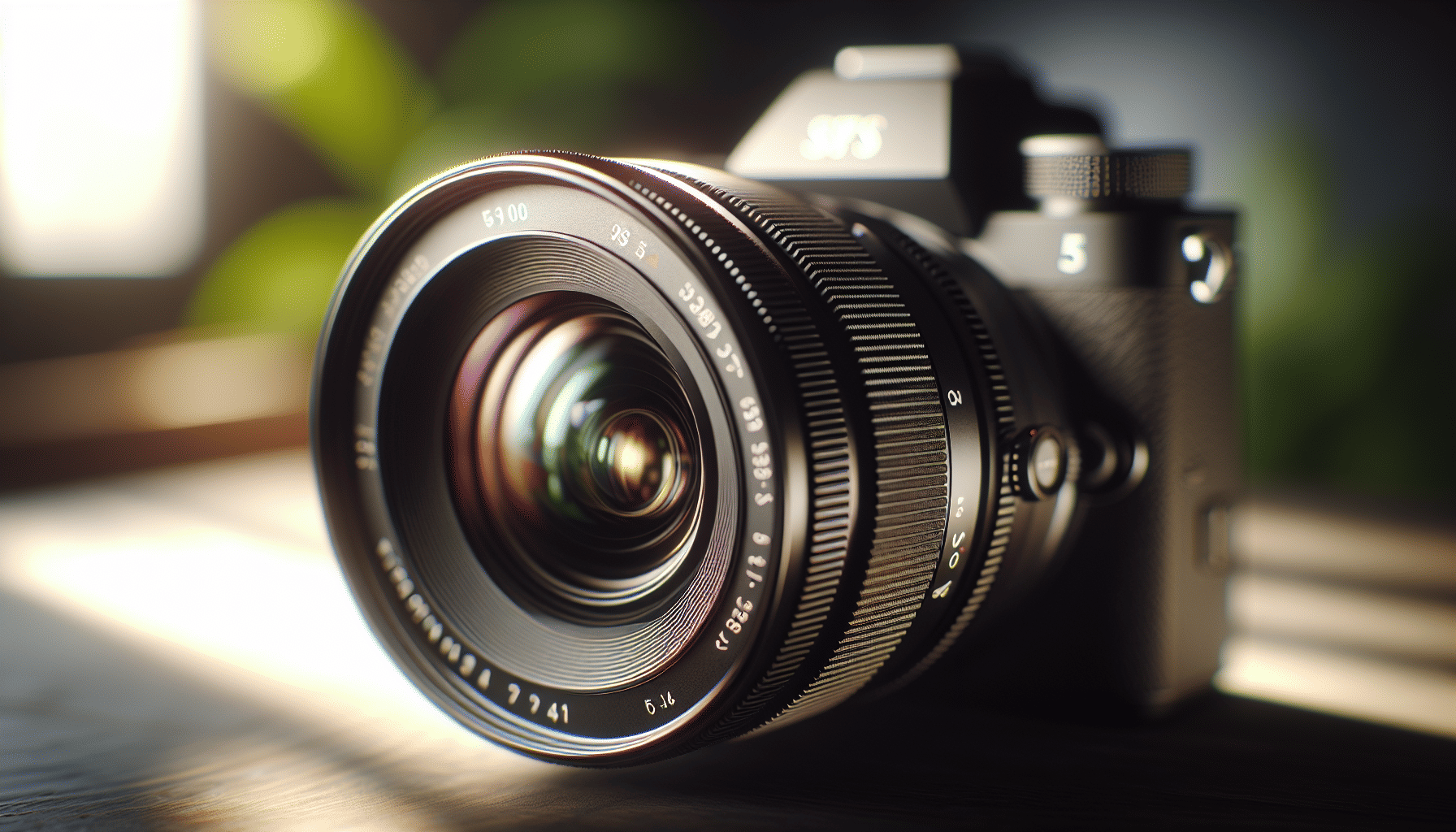
Understanding the ins and outs of camera settings can immensely elevate the quality of your captures, no matter your experience level. By mastering a few core concepts, you can consistently produce stunning images.
1. Aperture
Aperture refers to the opening in a lens through which light enters the camera. Measured in f-stops, this setting impacts the amount of light and the depth of field in an image. A lower f-stop, like f/1.8, results in a wider opening, allowing more light and delivering a blurred background, perfect for portraits. Conversely, a higher f-stop, like f/16, gives a deeper field of focus, ideal for landscapes.
2. Shutter Speed
Shutter speed controls how long the camera’s sensor is exposed to light. A fast shutter speed, such as 1/1000 of a second, can freeze motion, capturing sharp images of fast-moving subjects like sports. A slower speed, like 1/30 of a second, allows for light trails or smooth water effects, great for creative shots. Note that using slower speeds often requires a steady hand or tripod to avoid unintended blur.
3. ISO
ISO determines the sensitivity of your camera’s sensor to light. A lower ISO, such as 100, is best for brightly lit environments to maintain sharpness and detail without noise. Higher ISO levels, like 3200 or more, can brighten up a dim scene but may introduce graininess. Balancing ISO with aperture and shutter speed is crucial for optimal exposure.
4. White Balance
White balance adjusts the color temperature of the light in your images, ensuring colors appear natural. Depending on the lighting—sunlight, tungsten, or fluorescent—the color temperature varies. Adjusting white balance compensates for these variations, ensuring your images reflect colors as accurately as possible.
5. Manual vs. Automatic Mode
Learning to shoot in manual mode provides complete control over each setting, allowing for creative experimentation and precise exposure. Automatic mode, while convenient, makes decisions for you, which can sometimes lead to less than ideal results, especially in challenging lighting situations. Practicing with manual settings enhances your understanding and confidence.
6. Focus
Sharp focus is vital for remarkable images. Automatic focus settings can be reliable for most scenes, but switching to manual focus lets you decide precisely where to place the sharpness, essential in macro or low-contrast situations.
7. Metering
Metering modes determine how your camera measures light in a scene. Evaluative or matrix metering considers the entire frame, while spot metering focuses on a small area, and center-weighted metering prioritizes the central part of the image. Each provides a different approach to achieving the right exposure based on the composition.
In Summary
Harnessing these settings not only improves your captures but also opens the door to endless creative possibilities. Practice regularly, experiment with each setting, and review your results to refine your skills. By mastering your camera, you'll be well on your way to consistently capturing captivating images.