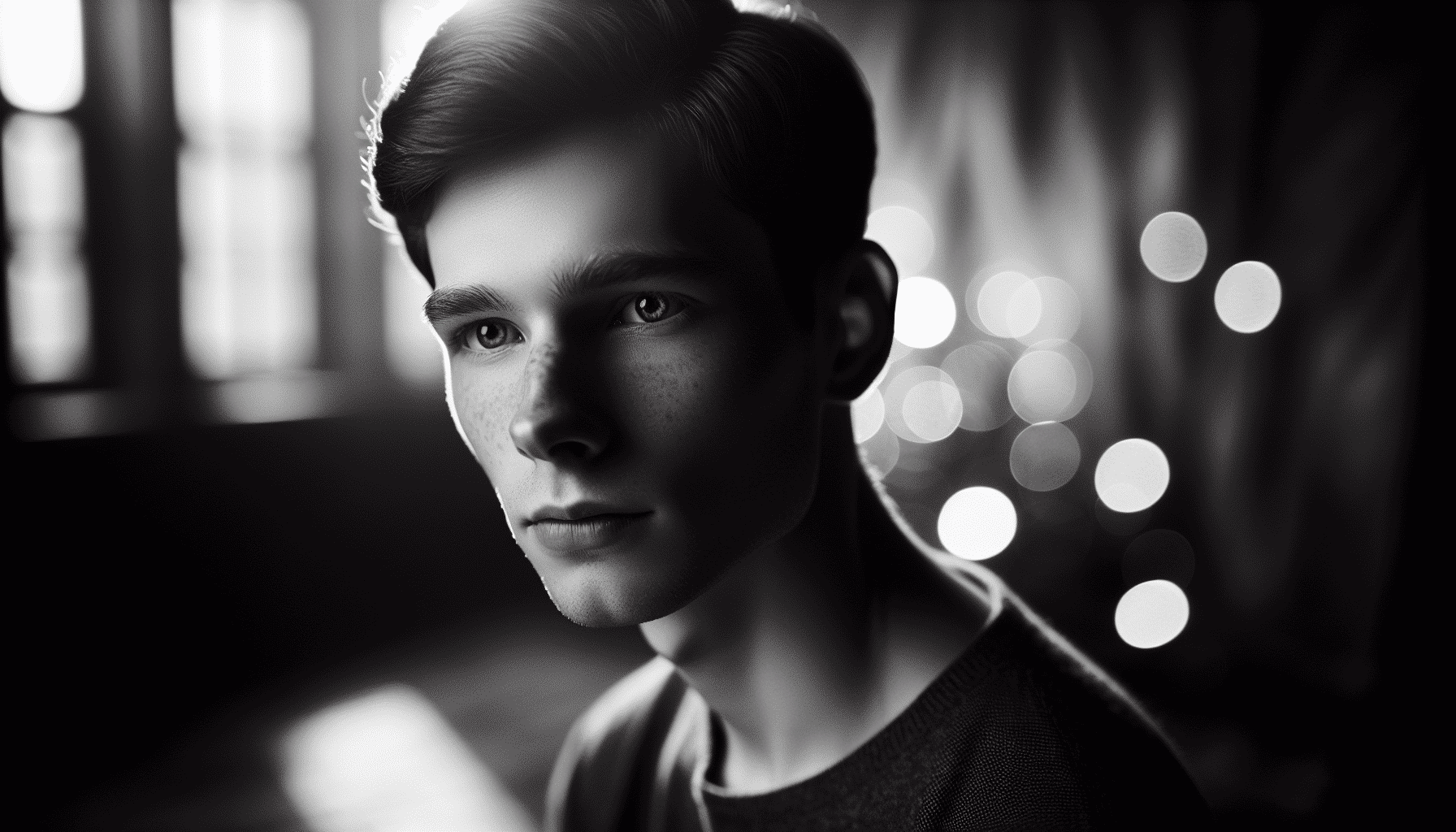
Capturing the depth and essence of a person through expressive portraiture can be an incredibly rewarding artistic pursuit. This form of art hinges on the ability to convey emotion and tell a story through the nuances of a subject’s gaze, posture, and surroundings. Crafting a compelling portrait extends beyond the simple click of a camera—it’s about understanding and connecting with the subject to reveal their personal narrative.
Understanding Your Subject
The first step to creating a powerful portrait is understanding your subject. Take the time to talk with them, learn about their experiences, and discover what makes them unique. Opening up this dialogue can help both the artist and the subject feel more at ease and foster a genuine connection.
Crafting the Narrative
Once you've built rapport and understand the subject better, think about the story you want to tell. This could be an expression of joy, the weight of years lived, or an insight into a particular facet of their personality. Consider asking your subject about a specific moment or feeling they want to explore during the session. This intentional narrative adds depth to the image, transforming it from a simple photograph into a story etched into pixels.
Lighting and Composition Choices
Lighting is crucial in expressive portraiture as it can dramatically enhance or soften the mood. Soft, diffused lighting can evoke tenderness and intimacy, while harsher, directional light might add intensity and drama. Experiment with different lighting angles to discover what complements and enhances the narrative you are aiming to portray.
Composition is equally important. Pay attention to framing, background, and the alignment of elements within the portrait. Consider whether you want to use a focal point to draw attention to specific details, such as a pair of soulful eyes or a subtle smile. The interplay between light and shadow, alongside thoughtful composition, should guide the viewer’s attention and evoke the intended emotion.
Encouraging Authentic Expression
One of the greatest challenges is guiding your subject to express genuine emotion naturally. Encourage them to move or act in a way that is true to their everyday self. Allow for spontaneity and capture moments when they least expect. Sometimes, the most profound expressions emerge when the subject forgets they are in front of a camera.
Post-Production and Final Touches
After capturing your portrait, the process isn’t over. Post-production offers another opportunity to refine your vision. Subtle adjustments can enhance the mood and bring out details that were perhaps subdued in the original image. Be careful not to overdo alterations; the aim should be to enhance the authenticity and emotional impact of the portrait, not diminish it.
The Art of Observation
Ultimately, expressive portraiture is about keen observation. It’s the artist's ability to see beyond the surface, to detect subtle emotions and intricacies that make each person unique. Like any skill, it requires practice, patience, and a genuine interest in human stories.
By engaging deeply with your subjects and harnessing the technical aspects of the craft, you can create portraits that are not only visually striking but also rich in emotion and narrative depth. These portraits become timeless pieces of art that resonate with viewers, each image a silent, yet powerful, storyteller.