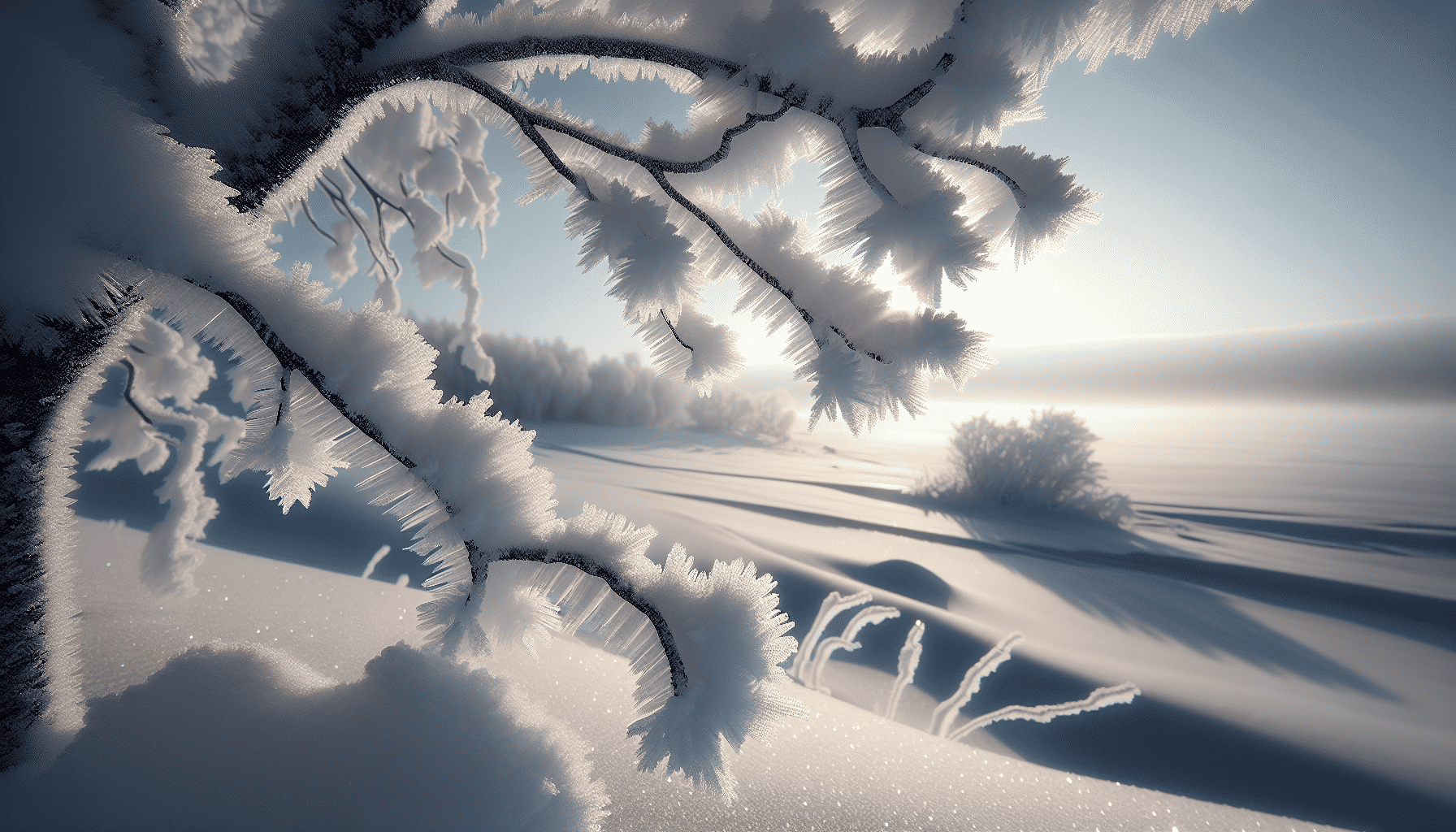
Winter is a majestic time, viewed through the lens of creativity, offering a canvas of ice and snow that transforms landscapes into serene and ethereal wonders. To capture the beauty of these chilly terrains, one must skillfully emphasize the intricate textures and rich contrasts of the environment. Here are some tips to help you enhance your winter images and bring out the true essence of the frozen world.
Embracing the White Balance
The reflective nature of snow can often lead cameras to underexpose images, rendering snow appearing gray rather than white. Adjusting the white balance manually is critical in bringing out the true brilliance of the winter scenery. Experiment with settings to neutralize any bluish tint and achieve a natural, radiant depiction of the environment.
Focusing on Textures
Winter landscapes are rich with unique textures that tell a story. The interplay between smooth, untouched snowdrifts and the jagged edges of ice can create compelling compositions. Look for frost patterns on windows, delicate snowflakes resting on branches, or icicles shimmering in the afternoon sun. Enhancing these details will draw the viewer into the intricate beauty of your shots.
Playing with Contrast
The stark contrast between ice and the surrounding landscape is one of winter's defining characteristics. To highlight this, consider shooting in black and white. This approach emphasizes light and shadow, creating more dramatic and striking images. Alternatively, use colored filters or post-processing to enhance the natural contrasts in the scene, bringing out the deep blues of the ice against the crisp whites of the snow.
Timing is Everything
Golden hours of sunrise and sunset cast a magical glow over the winter landscape. The warm light contrasts with the cool tones of snow and ice, producing enchanting scenes. Plan to be outside during these times for the most captivating lighting conditions. Even on overcast days, diffused light can create a soft, even illumination perfect for winter shots.
Finding Patterns
Nature is a wonderful artist, especially in winter, where patterns can be found in unexpected places. The winding path of a frozen stream, rolling mounds of snow, or even the patterned rhythm of footprints against the white backdrop can serve as intriguing focal points. Look for symmetry and repetition to create a sense of harmony and balance in your shots.
Staying Steady
Cold conditions can make it challenging to keep a steady hand, especially in strong winds. A stable platform, like a tripod, is invaluable in these situations. It ensures your compositions remain sharp and well-framed, even if your hands are wobbly from the chill.
Protecting Equipment
Remember to care for your gear in cold weather. Batteries deplete faster in low temperatures, so carry extras and keep them close to your body warmth. Use lens hoods to reduce snow flares, and a clean cloth to wipe away any moisture or fog that may accumulate on your lens.
Conclusion
The ice and snow-covered landscapes of winter offer a wealth of opportunities to explore and experiment. By paying attention to details like light, contrast, and texture, you can create compelling, unforgettable scenes. With these techniques, you’ll be better equipped to capture the serene beauty of the winter world, creating images that convey the wonder and magic of the season.